How Liability Is Determined in Rear-End Collisions
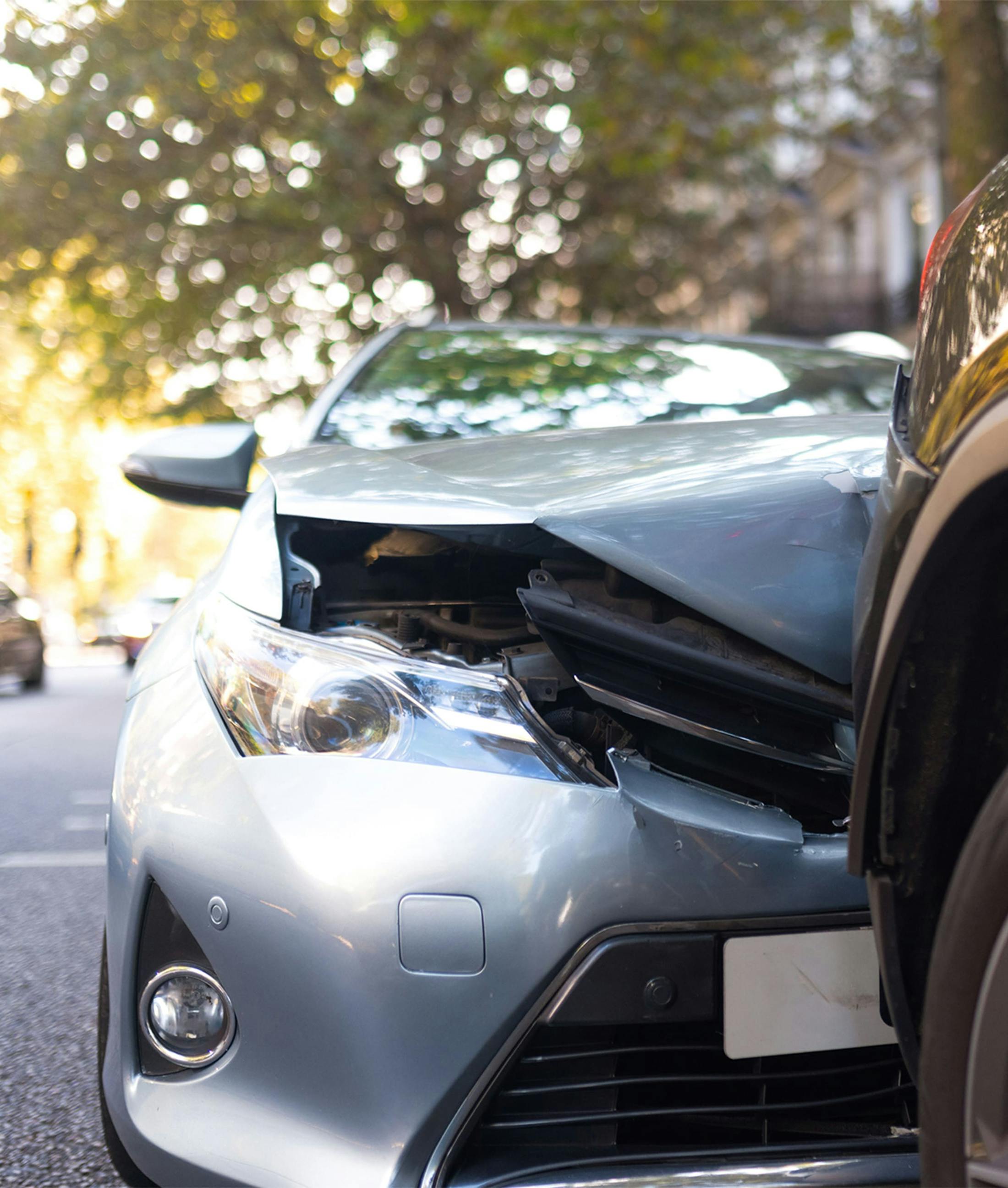
In most cases, the driver who rear-ends another vehicle is considered at fault. This is because drivers are expected to maintain a safe following distance and remain attentive to traffic conditions. However, liability is not automatic. Investigations may consider:
- Vehicle speed and braking patterns
- Traffic conditions at the time of the crash
- Statements from drivers and witnesses
- Physical evidence from the scene
- Whether multiple vehicles were involved
Determining fault can become more complex when additional vehicles, commercial drivers, or external factors are involved.
When Rear-End Collisions Are More Complicated
Although the rear driver is often presumed to be at fault, not every case is straightforward.
Certain situations can introduce complexity:
- Multi-Vehicle Chain Reactions: One collision can trigger a series of impacts, making it harder to determine who initiated the crash.
- Mechanical Failures: Brake failure, tire blowouts, or other defects can contribute to loss of control.
- Road and Weather Conditions: Slippery roads, poor visibility, or debris can affect stopping distance.
- Actions of the Front Driver: In rare cases, sudden or unsafe behavior by the lead driver may contribute to the accident.
Multiple factors—including vehicle conditions and environmental elements—can influence how these accidents occur.