
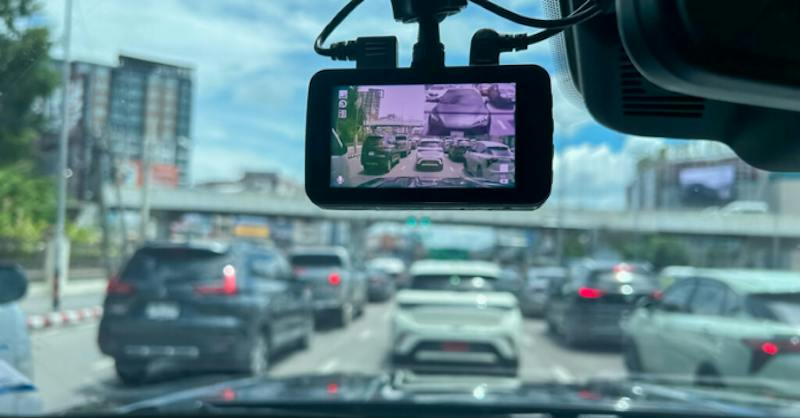
When two drivers tell different stories about the same crash, Big Auto Accident Attorneys turns to the evidence that does not forget: dashcam footage and the event data recorder, commonly called a black box, built into most modern vehicles.
This is where Big Auto's investigators make the difference. The firm pairs local Arizona attorneys with a nationwide network of co-counsel and in-house investigators who know how to preserve and read this evidence before it disappears, all on a no-win, no-fee basis. Dashcam footage and black box data can turn a disputed accident into a documented one. Here is what each type of evidence actually shows, who owns it, and how quickly it needs to be preserved.
What Is Black Box (EDR) Data in a Car Accident?
An event data recorder is a device installed in most vehicles that captures a short window of technical data in the seconds surrounding a crash, generally including:
- Vehicle speed
- Brake application
- Throttle position
- Seatbelt use
Under the federal standard at 49 C.F.R. § 563, EDRs must record this data in a defined, retrievable format so it can be downloaded after a collision using standardized tools.
Who Owns Black Box Data After an Arizona Accident?
Ownership is settled at the federal level. The Driver Privacy Act of 2015 establishes that:
- Any data retained by an event data recorder is the property of the vehicle's owner
- If the vehicle is leased, the lessee owns the data instead
- Ownership applies regardless of when the vehicle was manufactured
Arizona has not enacted its own separate EDR privacy statute, so ownership and access questions in an Arizona crash are generally governed by this federal law rather than a state-specific rule.
What Can Dashcam Footage Show That a Black Box Cannot?
A black box records numbers, not images.
Dashcam footage fills that gap by showing lane position, traffic signals, following distance, and the actions of other vehicles in the moments before impact.
The two forms of evidence work well together: the video shows what happened, and the EDR data confirms the speed and timing behind it.
How Is This Data Used to Prove Fault?
Objective data can cut through a disputed liability argument faster than witness memory alone. Examples of how this evidence gets used include:
- Confirming a vehicle's actual speed against the posted limit at the moment of impact
- Showing whether brakes were applied, and how hard, before a collision
- Establishing whether a driver was stopped or moving when a rear-end crash occurred
- Capturing a traffic signal's color or a stop sign that a driver claims did not exist
It’s imperative to note that black box data is not permanent:
- Many EDR systems only retain the most recent triggering event
- These systems can be overwritten if the vehicle is started and driven again, or lost entirely if the vehicle is repaired or sent to salvage before the module is downloaded
- Dashcam footage is similarly at risk, since many devices record in a loop that erases older files within days
Steps to Preserve Dashcam or Black Box Evidence After a Crash
- Save your own dashcam footage to a separate device immediately, rather than letting it get overwritten
- Ask nearby businesses or residences whether their security cameras may have captured the crash
- Avoid authorizing vehicle repairs until an attorney has had a chance to arrange an EDR download if needed
- Contact a personal injury lawyer promptly so preservation letters can go out before evidence is lost
How Big Auto Uses Data-Driven Evidence to Build Your Case
Big Auto's attorneys move quickly to send preservation letters to the other driver, their insurer, and any tow yard or salvage facility holding a vehicle, putting every party on notice that the vehicle and its data are evidence in an active claim. From there, a qualified technician can lawfully retrieve the EDR download while the firm gathers any available dashcam footage from the client, witnesses, or nearby businesses.
Dashcam footage and black box data give an accident claim something a police report alone cannot: an objective, second-by-second account of what actually happened. Big Auto Accident Attorneys know how to preserve and use this evidence before it disappears. Call 1 (844) BIG-AUTO for a free case evaluation.
Disclaimer: The information on this page is provided for general educational purposes only and does not constitute legal advice. Every case is different. Past results do not guarantee future outcomes.
Sources