
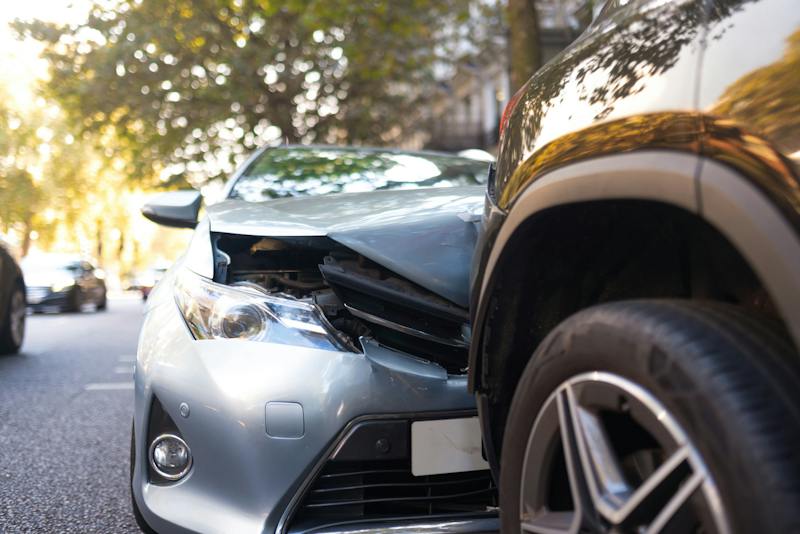
The moments immediately after a car accident are often chaotic and overwhelming. Adrenaline is high, emotions are raw, and it can be difficult to think clearly. Yet what you do, or do not do, at the scene can have a lasting impact on your health, your insurance claim, and any potential legal case.
Knowing how to respond calmly and correctly can protect both your safety and your rights.
Make Safety the First Priority
After a collision, check yourself and others for injuries. If anyone is hurt, call 911 immediately. Even if injuries seem minor, emergency responders should be notified when there is a risk of harm.
If it is safe to do so:
- Move vehicles out of traffic to prevent further collisions
- Turn on hazard lights
- Use cones or flares if available
Do not leave the scene unless emergency medical care requires it.
Call Law Enforcement
Contacting law enforcement is important even in accidents that appear minor. A police officer can:
- Document the scene
- Gather statements from involved parties
- Identify witnesses
- Create an official crash report
That report often becomes a key piece of evidence in insurance and legal proceedings. Politely cooperate, but avoid speculating about fault or offering unnecessary explanations.
Exchange Information, But Be Careful With Words
You should exchange basic information with the other driver, including:
- Name and contact information
- Driver’s license number
- Vehicle registration
- Insurance carrier and policy number
Be courteous, but avoid statements like “I’m sorry” or “I didn’t see you,” which can be interpreted as admissions of fault. Fault determinations should be based on evidence, not roadside conversations.
Document the Scene Thoroughly
If you are able, gather as much information as possible while still at the scene. This may include:
- Photos of vehicle damage from multiple angles
- Images of the roadway, skid marks, debris, and traffic signals
- Photos of visible injuries
- License plates and vehicle positions
Witness information is also critical. Obtain names and contact details from anyone who saw the accident.
Consider an imaginary scenario for illustration:
Two drivers disagree about who had the green light. A bystander’s photo shows the signal clearly. That single image later resolves the dispute entirely.
Seek Medical Attention Promptly
Even if you feel “okay,” medical evaluation is important. Some injuries, such as whiplash or concussions, may not present immediate symptoms.
Delaying medical care can:
- Allow injuries to worsen
- Create gaps in medical documentation
- Give insurers grounds to dispute your claim
Medical records created close in time to the accident help establish causation.
Notify Your Insurance Company Carefully
Most auto insurance policies require prompt notification of an accident. Report the basic facts, but avoid giving recorded statements or detailed explanations without understanding how they may be used.
Insurance adjusters are trained to look for inconsistencies. What seems like casual conversation can later be cited to minimize or deny a claim.
Do Not Accept Early Settlement Offers at the Scene
In rare situations, a driver may offer to “handle it privately” or pay cash to avoid insurance involvement. This is risky and often leads to disputes later.
Similarly, do not accept early insurance settlement offers before injuries are fully evaluated. Once a release is signed, additional compensation is typically barred, even if new symptoms emerge.
Preserve Evidence After Leaving the Scene
After you leave the accident scene:
- Save all photos and videos
- Keep copies of medical records and bills
- Retain repair estimates and receipts
- Document how injuries affect daily life
These details help paint a complete picture of the accident’s impact.
What If the Accident Involves a Pedestrian or Cyclist?
Accidents involving pedestrians or cyclists carry additional legal considerations. Stay at the scene, call 911, and follow all instructions from law enforcement. Leaving the scene can result in serious criminal consequences.
What If the Accident Occurred Outside Arizona?
If the accident happened outside Arizona, laws governing reporting, fault, and insurance may differ. Big Auto Accident Attorneys is licensed to practice in Arizona, but when accidents occur elsewhere, our team coordinates with co-counsel through the Big Auto Accident Attorneys Team to ensure the matter is handled properly under the applicable state law.
Why Early Legal Guidance Matters
Mistakes made at the scene are often difficult to correct later. Statements, missing evidence, or delayed medical care can weaken otherwise valid claims.
Speaking with an attorney early does not mean you are committing to a lawsuit; it means you are protecting your options.
Speak With Big Auto After a Car Accident
If you have been in a car accident, what you do next matters. Big Auto Accident Attorneys helps accident victims across Arizona understand their rights, avoid common pitfalls, and pursue fair compensation. When accidents occur outside Arizona, we work with co-counsel to ensure proper handling.
Call (844) 244-2886 or visit our Phoenix office at 3550 N Central Ave, Suite 550, Phoenix, AZ 85012 to discuss your situation. The right guidance, at the right time, can make all the difference.
Sources
https://www.nhtsa.gov/road-safety
https://www.azdot.gov/mvd/services/driver-services/traffic-crash-reporting
https://www.iii.org/article/steps-to-take-after-an-auto-accident