
22
Sep

Bad Faith Insurance Claims: When the Insurer Owes You More Than the Policy
Insurance bad faith occurs when an insurer breaches its duty of good faith and fair dealing to a policyholder, for example, by unreasonably denying a valid claim, delaying payment without cause, or making a lowball offer it can't justify. When that happens, the insurer can owe yo...
View More08
Sep

Medical Liens: Why Your Injury Settlement Shrinks Before You See It
A medical lien is a legal claim that a hospital, health insurer, or government program places against your injury settlement to recover the cost of treatment it already paid for. It shrinks your settlement because those amounts get repaid before any money reaches you, sometimes t...
View More01
Sep

Who Pays When a Waymo Hits You in Phoenix, AZ?
When a Waymo hits you, the company operating the self-driving vehicle is typically the party who pays, not a human driver you can point to at the scene. Arizona law treats autonomous vehicle (AV) crashes the same as any other motor vehicle collision for liability purposes: the at...
View More24
Aug

What’s the Difference Between a Lump-Sum and a Structured Settlement?
A car accident settlement can be paid as a single amount or spread across payments over months or years. Most people know which option they want before they fully understand what each one means for their long-term finances. Both deserve serious consideration before you ...
View MoreCategory: Car Accident
17
Aug

What Is Diminished Value, and Can I Claim It After My Car Is Repaired?
Your car is fully repaired. The body shop did quality work. But when you go to sell it or trade it in, the dealer pulls up the vehicle history and immediately offers less than a comparable car with no accident record. That financial loss has a name, and in many cases, you can rec...
View MoreCategory: Car Accident
10
Aug

I Was a Passenger, Not the Driver in an Accident — Who Do I File My Claim Against?
Being a passenger in a car accident puts you in a legally unique position: you did nothing to cause the crash, you had no control over it, and you have rights against every party whose negligence contributed to your injuries. The question is identifying who those partie...
View MoreCategory: Car Accident
03
Aug
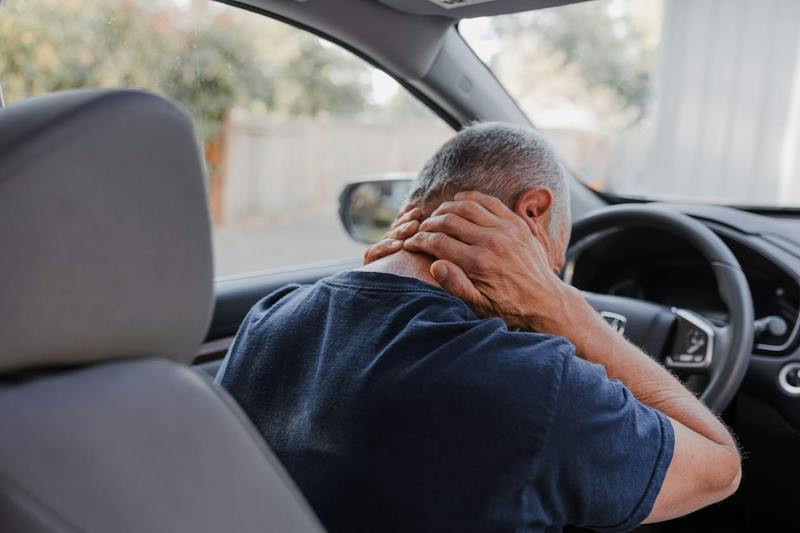
Can I Get Compensation If the Accident Made an Old Injury Worse?
The first thing an insurance adjuster does after learning about your medical history is argue that your injuries pre-existed the crash. That argument has limits. A defendant who worsens a pre-existing condition is responsible for that worsening, and in many cases, for considerabl...
View MoreCategory: Car Accident
29
Jun

Can You Reopen a Car Accident Settlement?
You signed the paperwork, accepted the check, and moved on. Then something changed: a new diagnosis, a surgery you didn't expect, symptoms that didn't appear until weeks later. Now you're wondering if the settlement can be undone. The answer is almost always no, but the exception...
View More29
Jun
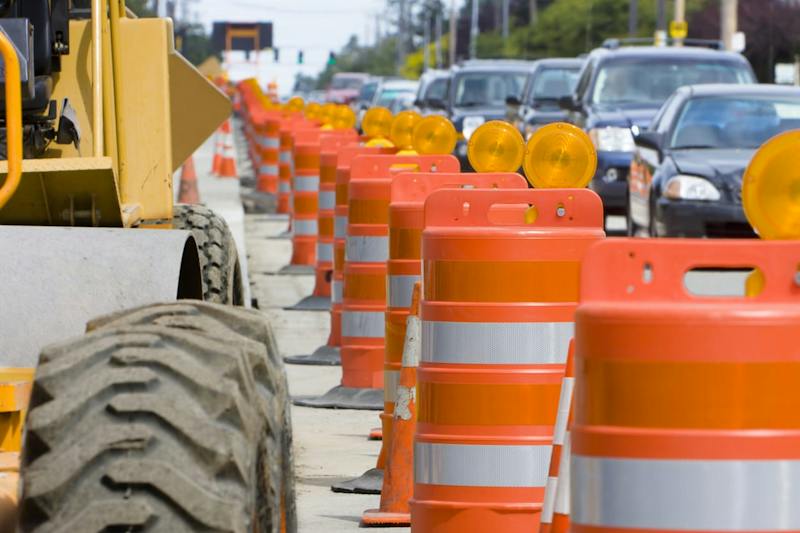
Construction Zone Accidents: Who's Responsible When the Road Causes the Crash
Construction zone accidents are among the most legally complex car accident cases. When the road itself contributes to a crash, responsibility can fall on a government agency, a private contractor, a subcontractor, or another driver, and sometimes all of them at once. Construction...
View More29
Jun

When Your Employer Is Liable for Your Car Accident
If the driver who hit you was behind the wheel for work, your claim may not stop at that individual. Their employer could share legal responsibility for your injuries, and naming an employer as a defendant fundamentally changes the scope and value of your claim. When the Other Dri...
View More