
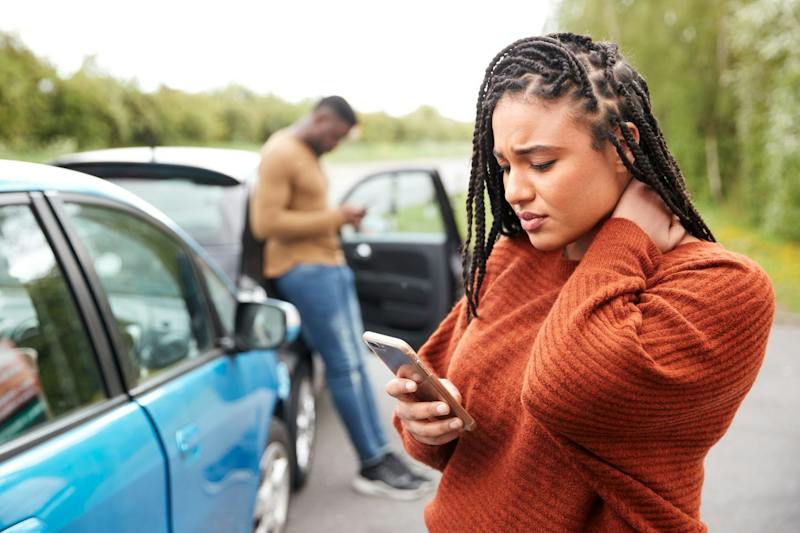
After a car accident, many people turn to social media to update friends or share what they’re going through. But posting online after a crash can sometimes do more harm than good.
Insurance companies and defense attorneys often review social media accounts when investigating injury claims. Posts, photos, location tags, or comments may be used to challenge your credibility or dispute the severity of your injuries. In legal cases, online content may be discoverable evidence. Under the Federal Rules of Civil Procedure Rule 26, parties may obtain relevant information during discovery, which can include social media content related to the claims or defenses in a case.
Courts have repeatedly allowed discovery of relevant social media posts when they relate to a plaintiff’s alleged injuries or activities. For example, courts applying discovery rules have found that social media content may be discoverable when relevant to a lawsuit (Romano v. Steelcase Inc.).
At Big Auto Accident Attorneys, our national team focuses on serious car and truck accident cases across the country. We have helped thousands of injury victims navigate complex claims while protecting their rights during investigations and litigation.
In this blog, we explain how social media activity can impact a car accident claim and why what you post online may matter more than you think. We’ll walk through how insurance companies and defense attorneys use social media during investigations, what types of posts can potentially be used as evidence, and the steps accident victims can take to help protect their rights and their compensation claim.
Why Insurance Companies Check Social Media After an Accident
One of the first places adjusters and defense lawyers look is social media. Posts that may seem harmless can sometimes be used against you.
Even if a post doesn’t reflect your actual condition, insurers may argue it contradicts your injury claims. Because social media content can be preserved and reviewed during litigation, it may become part of the evidence in your case.
Which Social Media Posts Can Be Used Against You
In personal injury cases, the injured person must prove damages such as pain, physical limitations, and a loss of quality of life. Insurance companies sometimes use social media to argue that a person’s injuries are not as serious as claimed.
Examples include:
- Status Updates: Statements like “Feeling better today” can be misinterpreted.
- Tagged Photos From Friends: Even if you didn’t post something yourself, photos tagged by friends may still be discovered.
Courts have recognized that social media content can be relevant evidence in litigation. For example, the court in Romano v. Steelcase Inc. allowed access to private social media content because it was relevant to claims about the plaintiff’s injuries.
Are Private Social Media Accounts Protected?
Many people assume that setting a profile to private prevents it from being used in court, but that is not always true.
If social media content is relevant to the claims in a lawsuit, courts may order it to be produced during discovery. Courts regularly apply discovery rules requiring parties to provide relevant evidence, including digital communications and online posts.
Under Federal Rule of Civil Procedure 34, parties may request documents and electronically stored information during litigation, including social media data.
In other words, privacy settings do not necessarily shield social media content from discovery.
What Should You Avoid Posting After a Car Accident?
If you are pursuing a personal injury claim, it is generally wise to be cautious about social media activity.
In addition to what we’ve already discussed, things you may want to avoid posting include:
- Photos or videos of physical activity
- Comments about the accident
- Statements about how you feel physically
- Travel or vacation photos
- Discussions about settlement or legal matters
It is also important not to delete posts once litigation is expected. Courts have held that destroying evidence—including digital content—can lead to sanctions. That’s why many attorneys recommend limiting social media activity until your case is resolved.
Protect Your Claim With a Careful Social Media Strategy From the Start
At Big Auto Accident Attorneys, our national team includes attorneys with decades of experience handling serious car and motorcycle accident claims and navigating complex litigation. Our team focuses on serious car and truck accident cases nationwide, working with experienced attorneys in each jurisdiction to ensure injured clients receive the local insight and national legal power needed to pursue maximum compensation.
Contact us today to start your free case evaluation. Our team is available 24/7 to review your situation, explain your options, and help you move forward with confidence after a serious accident.